CHARLES
DICKENS
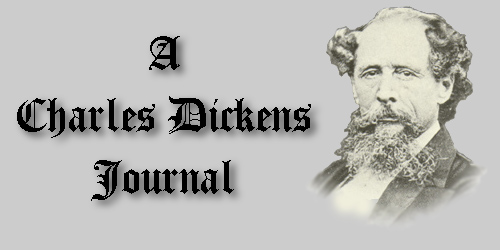
Charles John Huffam Dickens was born 7 February
1812, second child of John and Elizabeth Dickens.
The family would eventually number seven children, plus a son who died
in infancy, and since neither
parent seemed able to economize, things were generally very hard financially
for the family. Charles
attended school for a time in Kent, where the happiest days of his childhood
were spent, but when the
family moved to London in 1822, Charles was simply never re-enrolled in
school, and was left to wander
London largely unattended. When the oldest child, Fanny, was sent to the
Royal Academy of Music for
training as a pianist, Charles, then 12, was deemed old enough to work
to help pay the family expenses.
So, for six months, he worked in a factory pasting labels onto containers
of shoe polish. While there, John
Dickens was thrown into debtor's prison, and released a few months later
under the Insolvency Act3.
It was a feud between John Dickens and the factory owner that eventually
got Charles out of the factory
and back in school, though Elizabeth tried her best to make him go back,
which Charles never quite
forgave her for. The factory experience will show up again and again in
Charles' novels, and it also left
him with something of a phobia about being dirty. In 1827, Charles left
school again, more voluntarily this
time, and took work as a law clerk, and then a parliamentary reporter.
Though he also toyed with the idea
of taking the stage (he loved amateur theatricals all his life), he eventually
starts writing sketches for two
of the London newspapers4, publishing them under the name 'Boz'.
In 1835, now quite well-established in his sketch-writing, Charles proposed
to Catherine Hogarth, daughter
of George Hogarth, who had been advisor to Sir Walter Scott. They married
in April of 18365, and the
sweet-tempered Catherine generally allowed Charles to take charge of everything,
including even the
eventual naming of their children. That same year, Charles's began writing
The Pickwick Papers, and
suddenly he was famous. Imitations of Pickwick appeared everywhere.
The now firmly upper-middle-class Charles still has many family problems,
however. His father is still in
debt more often than not, even going so far as to try to borrow money using
his son's name, and Charles
ends up paying most of John's debts. Charles himself would have four children
after four years of
marriage6, and continually disciplines himself to work like a madman to
avoid debt of his own. With A
Christmas Carol in 1843, Charles created his own literary sub-genre, the
Christmas story. He would write
one for almost every Christmas for the rest of his life.
In 1851, his next to last child, Dora7, died, not yet a year old. It was
about this time that his dissatisfaction
with his marriage became clear. By 1856, when Charles was working on a
play he had written that was
about to hit the public stage, he hired professional actresses to play
the parts that his daughters and
sister-in-law, Georgina, had been playing. He hired Frances Ternan and
two of her daughters, Maria and
Ellen. This was when the trouble really started. It was not long before
Charles was completely in love with
Ellen Ternan8, though Charles worked exceptionally hard to keep their relationship
quiet. By 1858, he and
Catherine were officially separated.
Rumor had it that Charles was having an affair with Catherine's sister
Georgina, which would have been
considered incestuous9. But she had been helping care for the family for
the last sixteen years, and
brooked the rumors and her family's displeasure to remain there. Charles
gave 'incompatibility' and
Catherine's 'incompetence in managing a household' as the official reasons
for the separation, and would
deal quite harshly with any friends who he felt were taking Catherine's
side10.
Charles was generally rather worried about his children and their prospects.
His younger daughter, Katie,
married Charles Collins, brother of novelist Wilkie Collins, though Charles
suspected that was more
because she wanted to leave the house than because she loved him. His second
son, Walter, died while in
the Army in India, leaving fairly large debts behind for his father to
pay. Charles Jr., after once filing for
bankruptcy, began working with his father on a journal that the elder Charles
had started called All the
Year Round, and did fairly well; while second youngest son Henry excelled
as a scholar, but the other five
children seemed more inclined to debt than prosperity.
Though Charles' health was poor11, he continued, almost until his death,
to do series after series of
readings from his work, which earned him a great deal of money while at
the same time satisfying his
longtime urge to perform onstage. His last reading was on 15 March 1870,
and Charles died, probably
from a severe stroke, on 9 June 1870. According the the wishes laid out
in his will, made just the month
before, Charles was buried in an extremely private ceremony in Westminster
Abbey. Aside from his
doctor and his lawyer, the only attendees were eight members of his family
(Catherine was noticeably
absent) Wilkie Collins; and John Forster, Charles' oldest friend and fellow
literary man. Ellen Ternan, as
usual, was nowhere to be seen at this family gathering.
By the terms of his will, Ellen Ternan received £100012 outright,
while the bulk of his estate was divided
evenly among all his surviving children, probably amounting to £6000
to £8000 each13. Left unfinished
(in fact, exactly half done) at the time of his death, was the infamous
Mystery of Edwin Drood, leaving
Dickensian scholars with a nice, though difficult puzzle to wrestle with.
Still, Charles was one of only a
relatively few authors who received the praise and adulation of their contemporaries14.
Kaplan, Fred. Dickens: A Biography. New York: William Morrow & Company, 1988.
